Win Your Week Without Burning Out

This edition dives into weekly planning frameworks for time-pressed professionals who juggle demanding calendars, shifting priorities, and limited energy. You will learn fast, flexible approaches to pick outcomes, shape your schedule, and adapt under pressure. Expect practical templates, human stories, and tiny rituals that protect focus. Share your questions or wins at the end, and invite a colleague who needs a calmer, more effective workweek.

Start With Outcomes, Not Tasks

Before you touch your calendar, decide what meaningful progress looks like by Friday. Three outcomes create clarity, cut noise, and build momentum. They help you say no, negotiate scope, and brief stakeholders quickly. This shift prevents busywork from swallowing attention, and gives your week a narrative arc. Write outcomes in plain language, attach a success metric, and ensure at least one advances a long-term goal you care about.

Build Your Weekly Skeleton

Eisenhower, Weighted by Capacity

Use the classic urgent versus important grid, then adjust for energy and hours available. Something important may still wait if it demands deep focus you cannot provide today. This nuance prevents guilt spirals and helps plan realistic progression. One engineering manager reviews the grid daily, shifting items based on energy and making one deliberate cut to preserve momentum and morale.

MoSCoW for a Five-Day Horizon

Classify weekly work as must, should, could, and won’t for now, but attach a simple capacity number to each must. If must items exceed your realistic deep-work hours, reduce scope or redistribute. This turns a label into a plan. Share your musts with your team each Monday, inviting feedback to catch conflicts early and prevent silent overload from derailing delivery.

Commitment Budget and Slack

Decide how many significant commitments your week can carry, then cap it. Keep a small slack buffer for emergencies or opportunities. When something new appears, trade explicitly: add one, remove one. This friction forces clarity and protects focus. A sales leader reported that adopting a visible commitment budget reduced overpromising, improved handoffs, and created calmer Fridays with fewer last-minute escalations.

Meetings, Email, and Boundaries
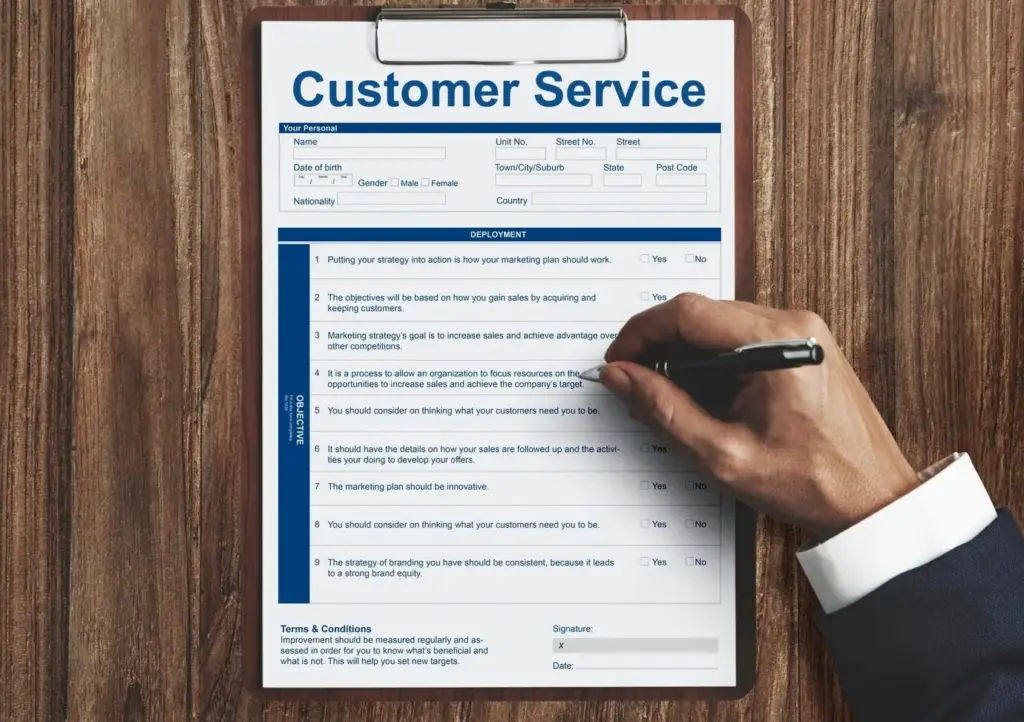
Protecting your week requires assertive communication. Define meeting criteria, batch responses, and use short, clear messages. Block meeting-light windows for deep work. Ask for agendas and propose async alternatives. Write two-sentence replies by default, expanding only when necessary. Share your availability publicly to set expectations. Invite teammates to adopt similar norms, and review your communication plan in your Friday reset.

One-Page Weekly Canvas

Create a simple template that captures outcomes, guardrails, time blocks, and a not-now list. Keep it visible, printable, and editable on mobile. The constraint of one page forces clarity. A healthcare manager reported calmer morning huddles after adopting the canvas, because everyone could see priorities at a glance. If you want my version, comment, and I will send a link to download.

Calendar Plus Task Manager, Not Calendar as Task Manager

Let your calendar show commitments and blocks, while a task manager holds the work. Link tasks to blocks but avoid cluttering the calendar with granular items. This prevents accidental overbooking and keeps shifting manageable. Use tags for energy and context in the task manager. Review both systems together each morning for ten minutes to maintain alignment and momentum throughout the week.

Checklist Library for Repeatable Weeks
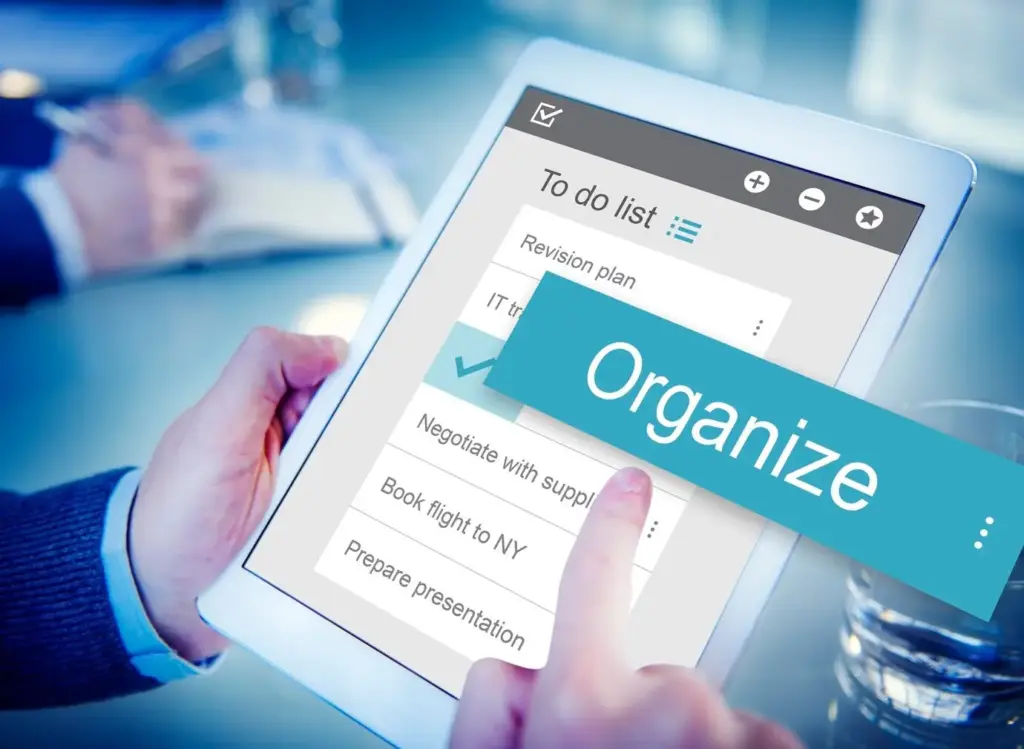
Build small checklists for recurring workflows: weekly review, pipeline updates, status reports, and onboarding. Checklists preserve quality under pressure and speed onboarding for teammates. Keep them living documents, improved after each cycle. A project lead uses a two-minute checklist audit on Fridays to capture improvements, preventing drift and saving hours over a quarter while maintaining consistent, reliable delivery.

Friday Five That Closes Loops

List wins, misses, risks, next steps, and gratitude. Write it in ten minutes and share with your team or future self. This ritual builds momentum and honesty, clarifies risks before Monday, and strengthens relationships through gratitude. A small design team reported better morale and faster pivots after three weeks of consistent Friday Five sharing across time zones.

Metrics That Matter to You

Choose simple indicators that reflect reality, like deep work hours completed, musts delivered, or meeting hours reduced. Track week over week and look for patterns, not perfection. When metrics dip, adjust your skeleton, guardrails, or communication lanes. Keep the list short to maintain focus, and celebrate meaningful gains to reinforce behaviors that make future weeks easier and calmer.

Rituals That Signal a Clean Slate

End your week with a closing cue: tidy your desk, archive done tasks, review outcomes, and plan Monday’s first block. Start the next week with a brief huddle or silent planning session. These rituals teach your brain reliable transitions, reducing anxiety. Share your favorite opening and closing cues in the comments, so others can borrow ideas and build steadier routines.

Forakotiranafeholovu
Privacy Overview

This website uses cookies so that we can provide you with the best user experience possible. Cookie information is stored in your browser and performs functions such as recognising you when you return to our website and helping our team to understand which sections of the website you find most interesting and useful.